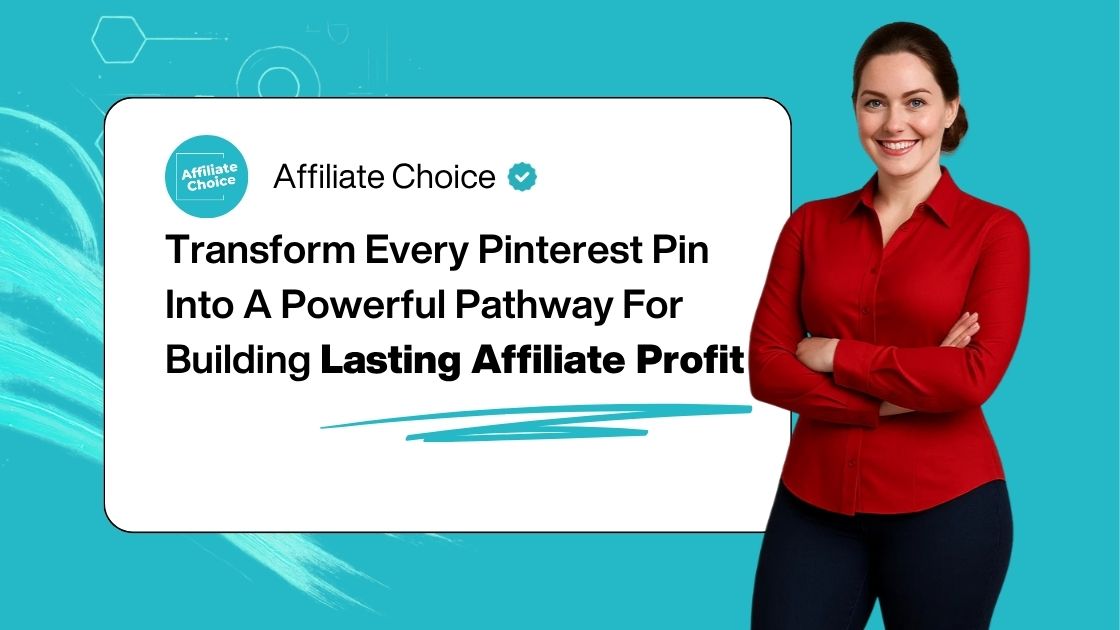
Introduction: Turning Scrolls into Sales
Pinterest has quietly evolved into one of the most powerful, yet underutilised, platforms for affiliate marketers. Once seen purely as a space for inspiration boards and DIY ideas, it has transformed into a visual search engine where users actively seek solutions, products, and brands to improve their lives. That mindset makes Pinterest one of the most conversion-friendly platforms around. When users come to pin, they are already in discovery mode, open to ideas and ready to take action.
For affiliate marketers, this represents an opportunity to connect visually with intent-driven audiences. Unlike traditional social media platforms, Pinterest offers longevity for your content. A single high-performing pin can drive consistent traffic for months or even years after posting. The key, however, lies in creating pins that stop the scroll, capture attention instantly, and encourage users to click through to your site.
Visual storytelling is the heartbeat of Pinterest marketing. It is not just about aesthetics; it is about designing with purpose. Every font, colour, and layout decision influences how your brand is perceived. Whether you are promoting fashion, tech, or lifestyle products, your pins should tell a story that aligns with your brand identity and the aspirations of your audience.
At Affiliate Choice, we believe that successful affiliate marketing begins with understanding how people interact with content. Pinterest is not about posting at random; it is about crafting a visual experience that feels cohesive, trustworthy, and inspiring. By learning how to blend creativity with data-driven strategy, affiliate marketers can turn casual scrollers into loyal customers, one pin at a time.
Understanding Pinterest’s Affiliate Potential
Pinterest often flies under the radar when marketers discuss social media strategy, yet it is one of the most conversion-friendly platforms available. Unlike other networks driven by likes and fleeting trends, Pinterest thrives on intent. Users arrive there with a purpose: to find inspiration, discover new ideas, and plan their next purchase. That single behavioural distinction changes everything for affiliate marketers. You are not interrupting someone’s day with an advert. You are helping them find something they already want.
The magic of Pinterest lies in its visual-first search engine model. People type in keywords, scroll through images, and click on what sparks their curiosity. This intent-driven approach creates an environment where affiliate content can thrive organically. When a pin resonates with a user’s interests or needs, they are far more likely to save it, share it, and click through to learn more. That repeated engagement can lead to sustained traffic and recurring commissions.
Another major advantage is Pinterest’s unique content lifespan. On platforms like Instagram or X, content peaks within hours before fading into obscurity. Pinterest pins, however, can generate consistent traffic for months or even years after posting. Each pin acts as a digital breadcrumb, leading users back to your website or affiliate link long after it was first created. This makes Pinterest one of the few social platforms that offers genuine long-term ROI for your content creation efforts. 
Affiliate marketers who understand Pinterest’s algorithm gain a strategic edge. The platform prioritises relevance, engagement, and keyword optimisation. This means that if your pins are visually strong, properly described, and consistently interacted with, they will be shown to new users repeatedly. Over time, that compounding exposure turns Pinterest from a traffic source into a full-fledged sales funnel.
Knowing Your Niche and Audience
Every great Pinterest strategy starts with a clear sense of direction. Before you design a single pin, you must know who you are speaking to and what they care about. Affiliate marketers often make the mistake of casting their nets too wide, thinking more reach equals more revenue. The truth is the opposite. Focus wins. When you target a specific niche and speak directly to its desires, your content resonates more deeply and performs more effectively.
Start by defining your niche with precision. If you are in the wellness space, is your focus yoga, mindfulness, or nutrition? If you are in technology, are you targeting digital nomads, home office workers, or creators looking for the next big tool? The more specific you are, the easier it becomes to create content that speaks to a real audience rather than a generic crowd. Pinterest rewards clarity. When your pins clearly align with niche keywords and visual trends, they are more likely to be surfaced in relevant searches.
Once your niche is defined, the next step is understanding your audience’s mindset. What motivates them? What problems are they trying to solve? Pinterest users are often planners. They use the platform to visualise future goals, from home makeovers to lifestyle changes. If you understand their journey, you can position your affiliate content as part of the solution.
Use Pinterest Analytics to observe audience behaviour. Look for trends in saved pins, engagement rates, and popular search terms. Combine that data with insights from tools like Google Trends or Ahrefs to refine your strategy. The goal is to merge creativity with evidence, making each pin a deliberate response to user intent.
Understanding your niche and audience is not a one-time exercise. It evolves as trends shift and new products emerge. Stay curious, test regularly, and listen to the data. When you know exactly who you are serving, every visual you create feels like a personal invitation, not a sales pitch.
Designing with Psychology in Mind
The best Pinterest pins are not just visually appealing; they are psychologically persuasive. Every design choice communicates something about your brand, your product, and your credibility. Great design is not about being artistic. It is about understanding how people process visual information and using that knowledge to guide them towards a specific action.
Colour Psychology
Different hues trigger different emotions and behaviours. Warm colours like red, orange, and coral tend to grab attention quickly and create a sense of excitement or urgency. Cool tones such as blue and green convey calmness, trust, and stability. For affiliate marketers, this means choosing a palette that reflects both your niche and your message.
Typography and Readability
Bold, legible fonts create instant clarity. Avoid decorative typefaces that may look stylish but are hard to read on mobile screens. Your headline should be concise, emotionally engaging, and instantly readable, even when viewed on a small display. Always remember that Pinterest is primarily a mobile-first platform.
Visual Composition
Composition plays a key role in holding attention. Visual hierarchy ensures the most important element, usually your product or headline, stands out immediately. Keep your layouts clean with adequate white space. Overcrowded designs look chaotic and reduce engagement. Use high-resolution imagery and consistent branding elements to reinforce recognition.
Psychology extends beyond design aesthetics. Think about the story your pin tells. People are drawn to visuals that spark curiosity or emotion. Whether it is a transformation, a before-and-after reveal, or a lifestyle scene that users aspire to, the best pins evoke feeling. That emotional connection is what drives action.
Creating Click-Worthy Headlines
Your headline is the silent salesperson of every pin you post. It is the first thing users read and often the deciding factor between a scroll-past and a click-through. In the fast-paced world of Pinterest, your headline must immediately convey relevance, value, and intrigue.
Focus on Clarity and Curiosity
Start with clarity before creativity. A headline must make sense on its own, even without context. Phrases such as “10 Easy Ways to…” or “How to Master…” continue to perform well because they promise value. Once clarity is achieved, layer in curiosity. Users should feel that clicking your pin will reveal something useful or surprising.
Use Emotional Triggers and Testing
The psychology of curiosity is powerful. People are naturally drawn to stories that leave questions unanswered. Teasing information while promising insight can dramatically increase engagement. Words like “proven”, “essential”, and “secret” can heighten intrigue without sounding exaggerated.
Formatting also matters. Use capitalisation strategically to highlight key words, and limit your headlines to a maximum of 60 characters to ensure they display cleanly across devices. Create multiple headline variations for the same pin and test engagement through Pinterest Analytics to identify what resonates.
A click-worthy headline is not about clickbait. It is about clarity, credibility, and curiosity working together. When crafted with intention, your headline builds trust, sets expectations, and invites users to take the next step, turning browsers into buyers.
Optimising Pins for Pinterest SEO
Pinterest is a search engine disguised as a visual discovery platform. That distinction changes how affiliate marketers should approach optimisation. Instead of chasing fleeting trends, success on Pinterest depends on consistent keyword strategy, rich descriptions, and algorithm-friendly content.
Keyword Research
Start with Pinterest’s search bar and note auto-suggestions to discover active user interests. Pair this with tools like Ahrefs or Ubersuggest to find long-tail keywords aligned with your niche. Focus on intent-driven queries where users are ready to take action.
On-Pin Optimisation
Integrate keywords naturally in your pin titles, descriptions, and even file names. Avoid stuffing keywords and write in a natural, human tone. Include your main keyword within the first sentence, then sprinkle related terms throughout. Add a compelling call-to-action to encourage interaction.
Visual and Rich Pin SEO
Rich Pins automatically pull metadata from your website, adding product details and enhancing credibility. Pinterest also analyses image context, so use clear, relevant visuals and consistent branding.
Track your results regularly through Pinterest Analytics. Monitor impressions, saves, and clicks, and refine your keywords based on performance. SEO on Pinterest rewards patience and consistency, delivering ongoing traffic to your affiliate content long after posting.
Leveraging Rich Pins and Link Strategy
Once your pins attract attention, the next step is ensuring users land in the right place. A great pin without an effective link strategy is a missed opportunity. Pinterest’s strength lies in its ability to send qualified traffic directly to your affiliate offers or website.
Make the Connection Seamless
Rich Pins automatically sync metadata from your site, showing details such as prices, availability, and descriptions. For affiliate marketers, this boosts trust and engagement.
Your link must always match the promise of your pin. If you promote “Top Ten Budget Cameras”, the link should lead directly to that article, not a homepage. Relevance builds user confidence and improves conversions.
Track and Optimise
Use tools such as Pretty Links or Bitly to track clicks and maintain clean URLs. Tracking reveals which pins drive the most conversions and helps you replicate successful strategies.
Ensure your landing page is fast, mobile-friendly, and visually consistent with your pins. Transparency matters too; always disclose affiliate links clearly to maintain credibility and comply with Pinterest guidelines.
A thoughtful link strategy ensures that every click has purpose, turning curiosity into meaningful engagement and lasting income.
Building Consistency Through Branding
Consistency is the foundation of brand recognition. When users can identify your pins at a glance, you create familiarity that breeds trust.
Define Your Visual Identity
Choose a colour palette and stick with it. Align your tones with your niche. Calming hues suit wellness content, while bold contrasts fit tech or entrepreneurship. Use one or two fonts consistently across all pins to maintain cohesion and professionalism.
Voice and Message
Your tone in headlines and descriptions should reflect your brand personality, whether friendly and conversational or professional and insightful. Consistency across tone and design strengthens brand credibility.
Templates help streamline your workflow. Canva and Adobe Express offer reusable layouts to keep your content uniform without stifling creativity. Maintain a regular posting schedule too, as consistent activity signals reliability to both your audience and Pinterest’s algorithm.
Branding is not about repetition. It is about recognition. When your visuals feel distinct and dependable, your audience associates your pins with quality and value, creating lasting trust and stronger conversion potential.
Analysing Performance and Refining Strategy
Analytics turn creativity into clarity. Pinterest’s built-in metrics allow you to track exactly how your content performs and what drives engagement.
Key Metrics to Monitor
- Impressions: Measure visibility and how often your pins appear in feeds.
- Saves: Gauge how often users find your pins valuable enough to keep.
- Link Clicks: Track conversions and site traffic from each pin.
Identify patterns by comparing visuals, colours, and headlines that perform best. High-performing pins often share traits you can replicate.
Remember that Pinterest content matures over time. A pin may start slow before gaining traction weeks later, so assess performance over longer periods.
Testing is key to refinement. Try variations of layouts, headlines, and calls-to-action. Conduct A/B testing to compare versions and measure engagement.
Pair your Pinterest data with Google Analytics to understand post-click behaviour. Use these insights to adjust both your pins and landing pages for better conversions.
Analytics is your creative compass. When you align insights with imagination, you can make informed choices that lead to sustainable growth and stronger affiliate performance.
Scaling with Automation and Collaboration
After building a solid Pinterest foundation, it is time to scale efficiently. Growth does not come from working harder but from working smarter. Automation and collaboration allow you to expand your reach without compromising quality.
Automate for Consistency
Tools like Tailwind or Later let you schedule pins, maintain posting frequency, and access analytics that refine your timing strategy. Tailwind Communities offer a collaborative space to share content and gain visibility among related audiences.
Batch Creation
Design multiple pins in one session. Batching saves time, ensures stylistic consistency, and keeps your posting calendar full.
Collaborate for Reach
Partner with complementary creators or brands. Joint boards and cross-promotion introduce your content to new audiences. Influencer collaborations can also elevate your credibility and exposure.
Repurpose your most successful pins for other platforms like Instagram or TikTok to strengthen your cross-channel presence. Automation should never replace authenticity but enhance your ability to focus on strategy and creativity.
Scaling effectively transforms Pinterest from a side channel into a dependable revenue source.
Final Choice: Pin Your Way to Passive Income
Pinterest has evolved from a visual inspiration platform into a marketing powerhouse where creativity and commerce meet. For affiliate marketers, it offers longevity, intent-driven traffic, and the ability to turn visuals into consistent income.
The key is balance. Combine design psychology, branding consistency, SEO strategy, and data analysis to create pins that continue to perform long after posting. Success on Pinterest is not about overnight wins but about building a system that grows steadily.
Whether you are new to affiliate marketing or refining your craft, remember that Pinterest rewards authenticity and persistence. Focus on quality, clarity, and value in every pin you post. Each one has the potential to become a lasting driver of traffic and sales.
Start Today: Refine your brand, create your next scroll-stopping pin, and let Pinterest become the silent engine of your affiliate success. Every image you post can inspire action and income if you craft it with intent and creativity.